


When do you feel most alive? When going through your morning routine, or when trying something you’ve never done before?
When you’re so efficient at work that you could almost do it blindfolded, or when you have to experiment and fail a lot to figure your way?
When driving the same route to work and back every day, or when travelling in a foreign country, not sure where you’re going to end up in a minute?
When having the same conversations with the same people during a coffee break, or when talking to someone who challenges everything you ever held dear with humor and grace?
When watching another episode of the latest show with your partner, or when you start a new project together that pushes you both to the edge?
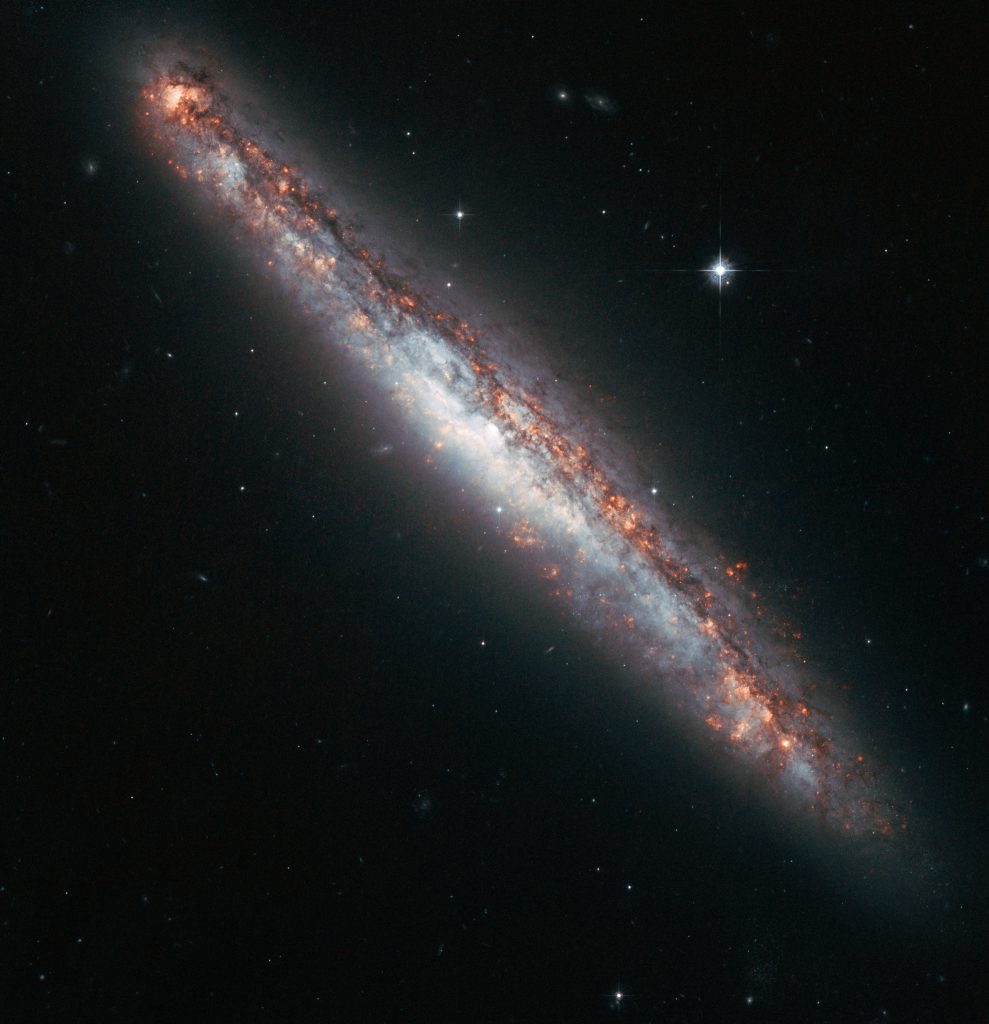
On the surface we all crave for stability. But life actually happens at the edges. As much as we like things to be smooth and effortless, it’s in these moments of surprise, confusion, curiosity, and discovery that we feel most alive. Learning new things is hard. Travelling is inconvenient. Meeting new people is awkward, especially if they challenge your most cherished beliefs. Starting a new project together with your partner may make you want to scream at each other.
Money solves most of these problems, to a degree. Instead of cooking, you can order delivery. Instead of cleaning, you can hire someone. I used to think that if I keep throwing money on all sorts of problems, I’ll live the rest of my life in pure bliss and joy. In fact, the opposite happened. Deprived of a worthy edge to push against, I found myself in meaninglessness and despair.
I couldn’t understand how I got into this situation. In theory I had everything I could dream of, and yet I was miserable. Now I see that I smoothed out all edges and possible inconveniences until the only one I had left was in my own head. Pure bliss and joy isn’t something that happens to humans in the long term. Deprived of challenges in the outside world, human mind will certainly come up with one.
This is great news actually. Instead of trying to remove all obstacles and achieve maximum comfort and stability, we can seek out challenges that are meaningful to us, that help us grow into the person we’d like to become. Once we accept that friction is inevitable and let go of the force, exploring the edge might become less like pushing against a wall, and more like surfing.